Largest Jabiru Rental Fleet in Texas

    Modern. Light. Sport.

    The most efficient way to fly cross-country in Texas.

    120 knots true. 5 GPH cruise. 35.4 gallons usable. Six-plus hours endurance. Sport pilot eligible — no medical, no BasicMed paperwork. The cleanest, most economical way to fly cross-country in the United States right now.
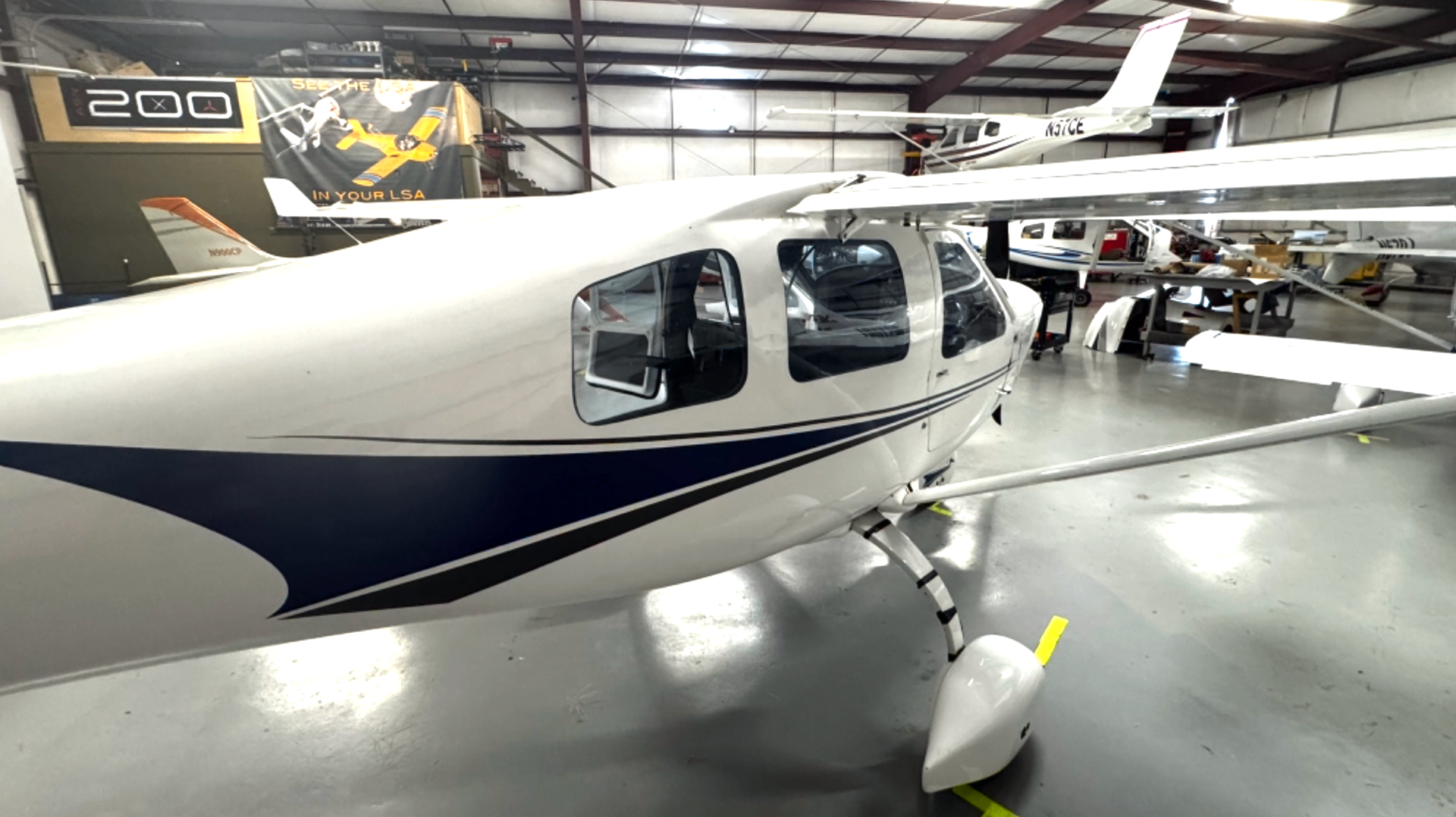
    Jabiru J230-D Light Sport Aircraft N779J at KDTO

    N779J — 2017 Jabiru J230-D

    Garmin G3X Touch • 120 HP • 120 kts

    The Fuel Math

    5 GPH changes everything.

    A 9 GPH airplane is a $63-an-hour fuel bill at today's avgas prices. A Jabiru is $35. Over a 100-hour year, that is roughly $2,800 saved against a Warrior and $3,200 against a 172 — the difference between flying and not.

    A4 Aviation Jabiru
    5 GPH
    fuel burn
    $35 / hour fuel
    at $7/gal 100LL
    $3,500 / year
    fuel only, at 100 hours
    Piper Warrior (PA-28-161)
    9 GPH
    fuel burn
    $63 / hour fuel
    at $7/gal 100LL
    $6,300 / year
    fuel only, at 100 hours
    Cessna 172
    9.5 GPH
    fuel burn
    $67 / hour fuel
    at $7/gal 100LL
    $6,700 / year
    fuel only, at 100 hours

    Comparison assumes $7/gal 100LL across all three aircraft. These are fuel costs only. A4 Aviation's Jabiru rates are dry — you buy fuel directly, typically ~5 GPH (and cheaper still on approved ethanol-free auto fuel where available).

    Why Modern Matters

    Built for how pilots fly today. Not 1978.

    The old way The modern way
    1970s steam gauges Dual GRT Sport HS glass with synthetic vision
    No autopilot, or analog wing-leveler DigiFlight Vizion 380 with altitude preselect
    Mode C transponder, no traffic awareness ADS-B In/Out, traffic and weather on the panel
    9 to 10 GPH, 100LL only 5 GPH, factory-approved for ethanol-free auto fuel
    Third-class medical or BasicMed paperwork Sport pilot eligible. Driver's license medical.
    Aluminum airframe baking on the ramp since Carter Composite. Hangared from new. No UV. No corrosion.
    Built when fuel was 60¢ a gallon Built for a $7 gallon world
    Old way
    1970s steam gauges
    Modern way
    Dual GRT Sport HS glass with synthetic vision
    Old way
    No autopilot, or analog wing-leveler
    Modern way
    DigiFlight Vizion 380 with altitude preselect
    Old way
    Mode C transponder, no traffic awareness
    Modern way
    ADS-B In/Out, traffic and weather on the panel
    Old way
    9 to 10 GPH, 100LL only
    Modern way
    5 GPH, factory-approved for ethanol-free auto fuel
    Old way
    Third-class medical or BasicMed paperwork
    Modern way
    Sport pilot eligible. Driver's license medical.
    Old way
    Aluminum airframe baking on the ramp since Carter
    Modern way
    Composite. Hangared from new. No UV. No corrosion.
    Old way
    Built when fuel was 60¢ a gallon
    Modern way
    Built for a $7 gallon world

    Clearing up the confusion

    Light Sport is not experimental. And it is not a 1970s Cessna.

    A modern factory-built LSA is one of the safest single-engine airplanes a private pilot can fly. Here is what the category actually is — and how it compares on safety to the aging certified trainers most pilots learned in.

    Light Sport Aircraft (LSA)

    A factory-built airplane certified to ASTM consensus standards adopted by the FAA in 2004. Every LSA is type-accepted by the FAA, manufactured on a production line, and maintained under FAA-approved procedures. It is not experimental, not a kit, and not homebuilt.

    S-LSA (Special Light Sport)

    What our Jabiru fleet is. Factory-built, FAA-accepted, commercially usable for rental, instruction, and club operations. Maintained by certificated A&P mechanics to the manufacturer's published maintenance manual.

    Experimental

    A separate FAA category for amateur-built, kit-built, or research aircraft. LSAs are not in this category. Confusing the two is the single most common misconception about modern light sport.

    Safety, contrasted honestly

    A modern LSA vs. a real-world 1970s Cessna on the ramp today

    The 50-year-old certified trainer A modern Jabiru LSA
    50-year-old aluminum airframe with unknown corrosion history, multiple owners, decades of ramp exposure
    Composite airframe built this decade, hangared from new, no UV degradation, single owner-operator
    Carbureted engine designs from the 1960s with carb ice as a known killer
    Modern engine with direct fuel delivery and engine monitor with fuel flow on the panel at all times
    Steam gauges. No traffic. No weather. No synthetic vision. No autopilot to reduce workload.
    Glass panel with synthetic vision, ADS-B traffic and weather, autopilot with altitude preselect
    Stall speeds and approach speeds set by 1960s certification rules
    Light Sport stall limit: 45 knots clean. Lower energy in a forced landing. Better survivability.
    Mode C transponder. You see no one. No one sees you on a tablet.
    ADS-B In and Out. Standard. You are visible to every modern aircraft and ATC display.
    50-year-old trainer
    50-year-old aluminum airframe with unknown corrosion history, multiple owners, decades of ramp exposure
    Modern Jabiru LSA
    Composite airframe built this decade, hangared from new, no UV degradation, single owner-operator
    50-year-old trainer
    Carbureted engine designs from the 1960s with carb ice as a known killer
    Modern Jabiru LSA
    Modern engine with direct fuel delivery and engine monitor with fuel flow on the panel at all times
    50-year-old trainer
    Steam gauges. No traffic. No weather. No synthetic vision. No autopilot to reduce workload.
    Modern Jabiru LSA
    Glass panel with synthetic vision, ADS-B traffic and weather, autopilot with altitude preselect
    50-year-old trainer
    Stall speeds and approach speeds set by 1960s certification rules
    Modern Jabiru LSA
    Light Sport stall limit: 45 knots clean. Lower energy in a forced landing. Better survivability.
    50-year-old trainer
    Mode C transponder. You see no one. No one sees you on a tablet.
    Modern Jabiru LSA
    ADS-B In and Out. Standard. You are visible to every modern aircraft and ATC display.

    Bottom line

    A factory-built LSA flown by a current pilot, hangared, maintained on schedule, with modern avionics and lower stall speeds, is a safer airplane than a high-time 1970s certified trainer sitting on the ramp. The category is regulated, the airplanes are inspected, and the safety record reflects it.

    Why We Fly Jabiru

    Three reasons. The same three reasons we say everywhere else on this site.

    M

    Modern

    Glass panel. Autopilot. ADS-B In and Out. Synthetic vision capable. Built and equipped this decade — not refurbished from a panel that predates the iPhone.

    L

    Light

    Light Sport rules. 1,320 lbs gross. Sport pilot eligible. No third-class medical. No BasicMed paperwork. Driver's license medical is enough. You can fly tomorrow.

    S

    Sport

    120 knots true on 5 gallons an hour. Composite airframe. Honest handling. Built to actually be flown — short trips, frequent trips, fuel-conscious trips. The way most pilots actually fly.

    Jabiru vs. Traditional Trainers

    See how Jabiru stacks up against the aircraft most pilots learn in — and why experienced pilots choose Jabiru for time-building and recreational flying.

    Category Jabiru J230 Cessna 150/152 Cessna 172
    Cruise Speed 115–120 kts 90–95 kts 110–115 kts
    Fuel Burn 5–6 GPH 5.5–6.5 GPH 8–9 GPH
    Hourly Cost (dry) ~$150/hr ~$140/hr ~$195/hr
    Avionics Glass panel standard Analog gauges Mixed / varies
    Airframe Age 2007–2017 1960s–1970s 1970s–2000s
    Construction Modern composite Aluminum Aluminum

    Our Jabiru Fleet

    Three Jabiru aircraft, each with unique capabilities and modern avionics. All maintained to the highest standards.

    N779J
    2017

    Jabiru J230-D

    Our flagship with Garmin G3X Touch glass panel, 2-axis autopilot, synthetic vision, and ADS-B In/Out. The most advanced Jabiru in the US rental market.

    10" Garmin G3X Touch display
    2-axis autopilot with flight director
    Synthetic vision technology
    ADS-B In/Out transponder

    Engine: Jabiru J3300L Gen 4 — 120 HP

    Based at: Hicks Airfield (T67)

    N57CE
    2007

    Jabiru J250-SP

    "Charlie"

    Dual GRT Sport HS glass cockpit with DigiFlight Vizion 380 autopilot. A proven, reliable platform for time-building and cross-country flying.

    Dual GRT Sport HS displays
    DigiFlight Vizion 380 autopilot
    Jabiru J3300A 120 HP engine
    Proven long-range capability

    Engine: Jabiru J3300A — 120 HP

    Based at: North Texas

    N646J

    Jabiru J230-SP

    "Jack"

    A well-loved J230 with strong performance and a loyal following among our members. Ideal for local and cross-country flying.

    Reliable J230 airframe
    120 HP Jabiru engine
    Excellent short-field performance
    Economical fuel burn

    Engine: Jabiru 3300 — 120 HP

    Based at: Hicks Airfield (T67)

    Modern Glass Cockpit Experience

    Our Jabiru aircraft feature state-of-the-art glass panel avionics — Garmin G3X and GRT displays that rival cockpits costing ten times more.
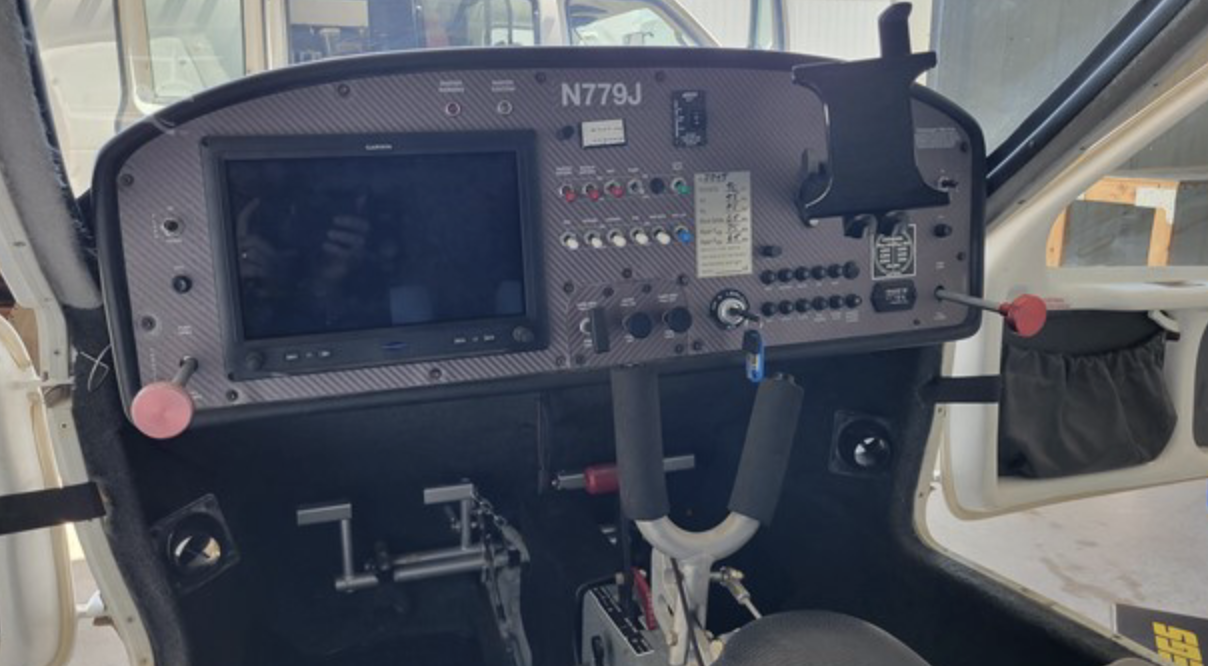
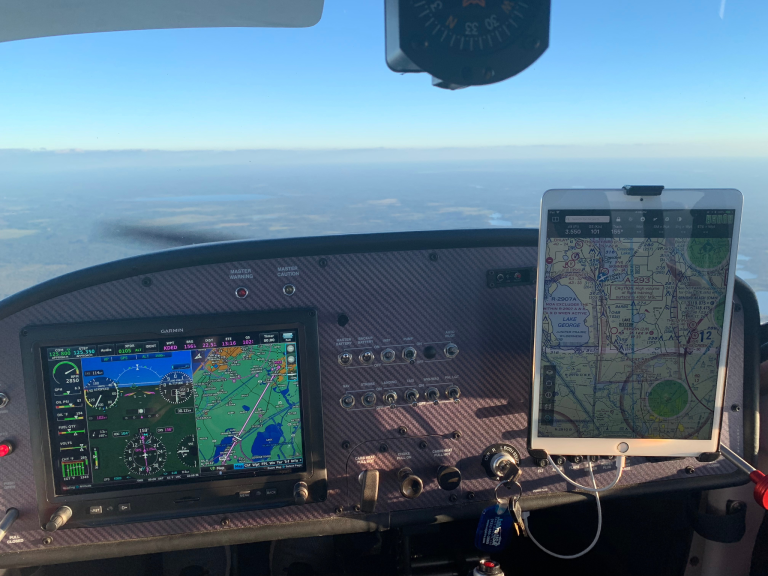
    Jabiru J230-D Garmin G3X Touch glass cockpit panel
    Jabiru J230-D glass panel in flight over North Texas

    Ready to Fly Jabiru?

    Whether you're looking to rent, time-build, or simply experience what modern Light Sport Aviation feels like — we'd love to show you the Jabiru difference. $100/month membership, from $110/hr dry.